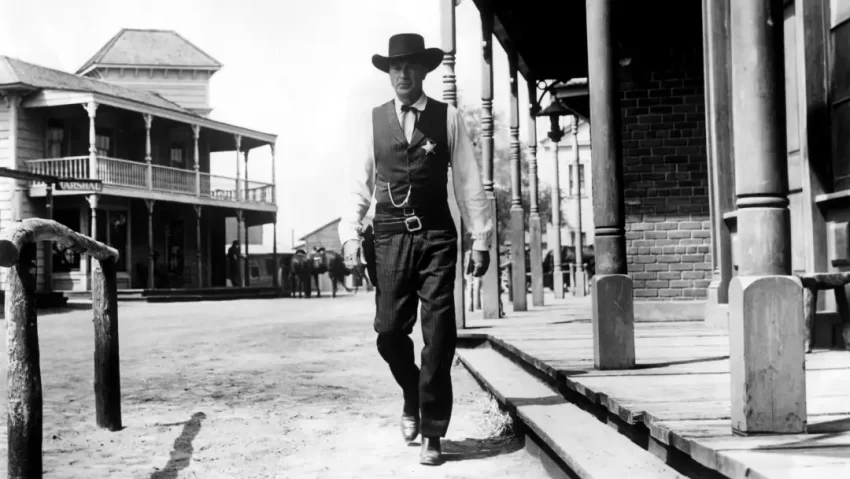
The Golden Era of Hollywood saw the rise of Western films as a dominant genre, capturing the imagination of audiences across the nation. This period, roughly spanning from the late 1920s to the early 1960s, was marked by a surge of Westerns that portrayed the American frontier, exploring a mix of history, ideals, and mythology. In this blog post, we will delve into the allure of Westerns during the Golden Era, examining how they romanticized the American West and shaped the perception of the era in both historical and idealistic contexts.
Pioneering the Western Genre
The Golden Era bore witness to the birth and rapid evolution of the Western genre. Initially, these films were characterized by their simplistic plots and archetypal characters – the courageous cowboy, the villainous outlaw, and the damsels in distress. Over time, however, Westerns began to explore complex themes of justice, morality, and societal transformation against the rugged backdrop of the American West.
Frontier as a Symbol
Westerns in the Golden Era often romanticized the American frontier, portraying it as a vast, untamed wilderness ripe for exploration and conquest. This portrayal was heavily influenced by the notion of Manifest Destiny – the belief that the United States was destined to expand across the North American continent. Westerns depicted pioneers, settlers, and lawmen as brave individuals taming the frontier, aligning with the prevailing ideology of American expansionism.
Creating National Heroes and Icons
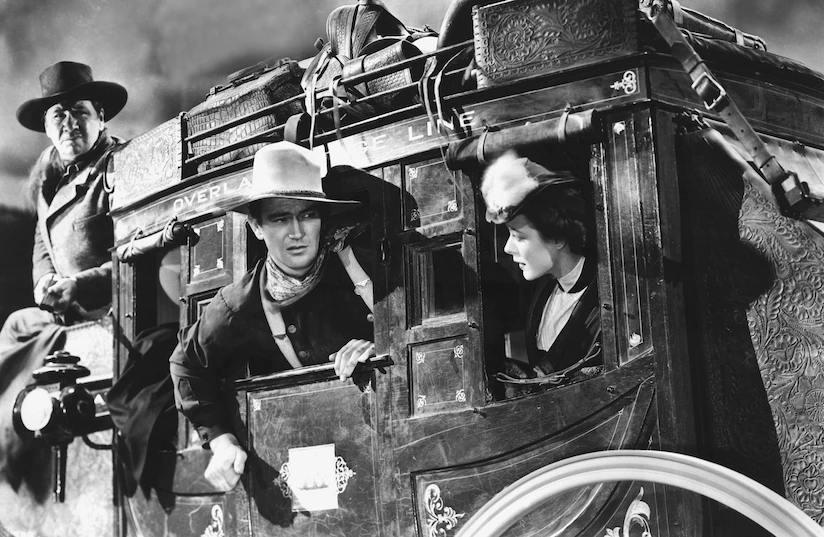
Hollywood’s Westerns played a significant role in shaping national heroes and icons. Characters like John Wayne’s iconic portrayal of the rugged, morally upright cowboy in films such as “Stagecoach” and “The Searchers” became emblematic figures representing American values of courage, resilience, and rugged individualism. The West was mythologized, and these fictionalized portrayals contributed to the creation of enduring cultural symbols.
The American Identity: Good vs. Evil, Law and Order
In the Golden Era, Westerns often pitted the forces of good against evil, creating a clear moral dichotomy. The lawman, representing justice and order, stood in opposition to the lawless outlaw. These cinematic portrayals subtly reinforced the American belief in the triumph of good over evil and the importance of law and order in society.
Diversity in the West
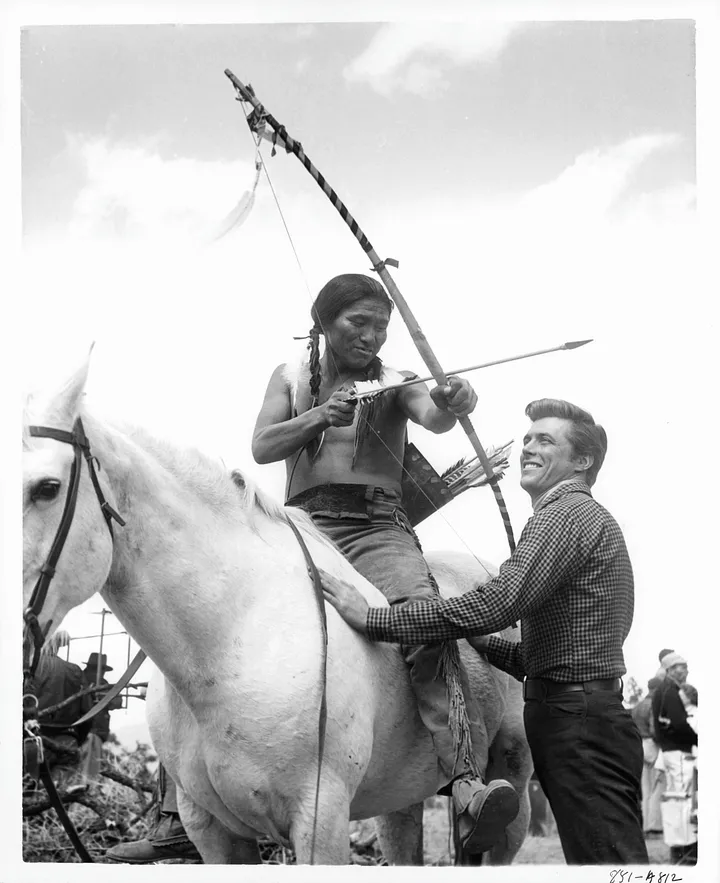
While Westerns of the Golden Era presented a simplified view of the West, they also depicted a diverse landscape of characters and cultures. However, these portrayals were often limited by prevailing stereotypes and prejudices. Native Americans, Hispanics, and African Americans were frequently depicted in one-dimensional roles, perpetuating racial and cultural biases of the time.
Westerns Beyond the Screen
Westerns from the Golden Era had a profound influence on popular culture, extending beyond the silver screen. Cowboy hats, boots, and the romantic image of the lone gunslinger became enduring symbols of American identity. Additionally, Westerns inspired a plethora of spin-offs in the form of TV shows, comics, novels, and even music, cementing the genre’s lasting impact on American culture.
The Enduring Legacy of the Golden Era Westerns
Hollywood’s Golden Era significantly contributed to the romanticization of the American West through Western films. These films not only shaped the perception of the historical frontier but also influenced the ideals and values associated with the era. While acknowledging their simplification and perpetuation of certain stereotypes, it’s undeniable that Golden Era Westerns continue to be celebrated for their portrayal of American history and ideals, reflecting a time when the allure of the West captured the hearts and minds of a nation.
Women in the West: Evolving Roles and Representations
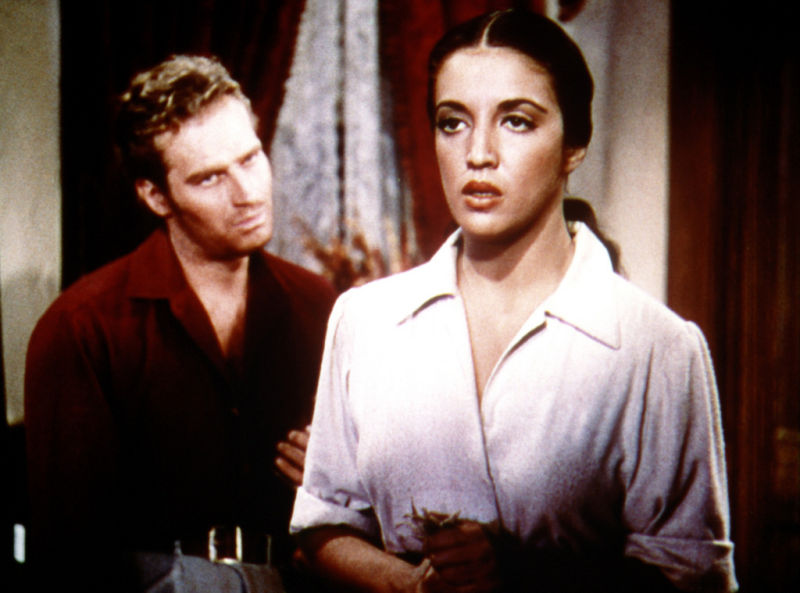
Westerns during the Golden Era often portrayed women in traditional roles as damsels in distress or the love interest of the rugged hero. However, there were exceptions that signaled a changing tide. Films like “Johnny Guitar” and “The Far Country” depicted strong, independent women who challenged gender norms, reflecting the evolving role of women in society. These portrayals, though limited, laid the groundwork for future advancements in the depiction of women in Westerns.
The Golden Era’s Technological Advancements and Cinematic Brilliance
The Golden Era witnessed significant technological advancements in filmmaking, enhancing the visual appeal and storytelling capabilities of Westerns. The use of Technicolor brought the vast landscapes of the American West to life with vibrant hues. Additionally, innovations in cinematography and sound design elevated the overall cinematic experience, contributing to the genre’s enduring popularity.
Shifting Perspectives: Criticism and Revisionism
In the later years of the Golden Era and beyond, a wave of revisionist Westerns emerged, challenging the idealized portrayals of the past. Filmmakers began to critically reevaluate the historical accuracy and romanticized notions prevalent in traditional Westerns. Movies like “The Wild Bunch” and “Once Upon a Time in the West” presented a grittier, more realistic depiction of the American frontier, questioning the values and myths associated with the West.

A Complex Legacy
The Golden Era of Hollywood produced an expansive and enduring legacy of Westerns that captivated audiences and helped shape American identity and culture. These films, with their portrayal of the American frontier, the triumph of good over evil, and the enduring image of the cowboy, continue to be celebrated and analyzed. While they often simplified historical realities and perpetuated stereotypes, they also inspired critical reflection and revisionist interpretations that shed light on the complex history and narratives of the American West. The influence of Golden Era Westerns extends far beyond their time, leaving an indelible mark on filmmaking and cultural representation, reminding us of the power of storytelling to shape perceptions and ideals.