The 1950s were a time of political unrest in the United States, and Hollywood was not immune to the effects of the Red Scare. Many actors and actresses were accused of being communist sympathizers and were placed on a blacklist, preventing them from working in the film industry. This list highlights the top ten actors and actresses who were blacklisted in Hollywood during this tumultuous time.
The blacklist was a result of the House Un-American Activities Committee (HUAC) hearings, which investigated alleged communist activities in the entertainment industry. The committee interrogated hundreds of people, including actors, writers, and directors, and many were pressured to name names and incriminate others in order to clear their own names.
Being blacklisted meant that these actors and actresses were unable to work in Hollywood and were shunned by their colleagues and the public. Some were forced to change their names and move out of the country to continue their careers.
Orson Welles
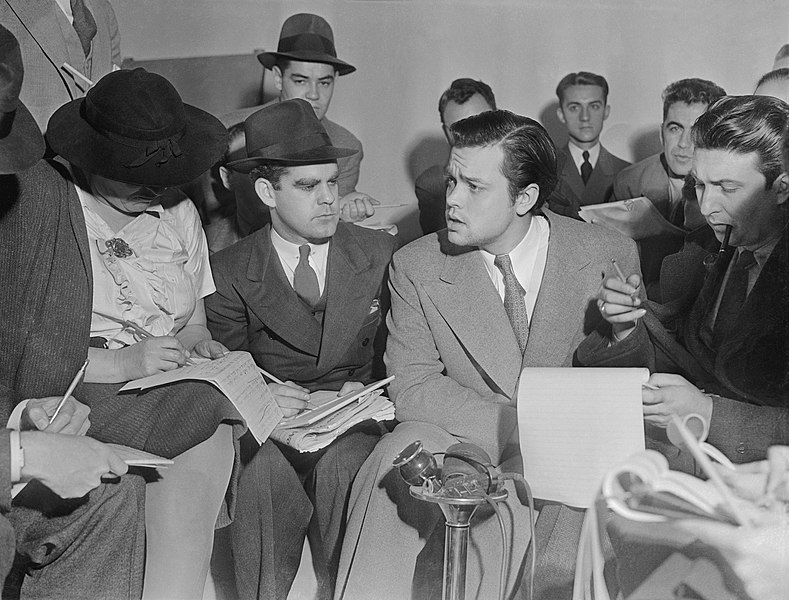
Orson Welles was a pioneer in the film industry, best known for his masterpiece, Citizen Kane. He was also a controversial figure who often clashed with the Hollywood establishment. His political views and outspoken nature made him a target of the anti-communist movement that swept through the United States in the 1950s. This led to his blacklisting and the decline of his career.
In 1947, the House Un-American Activities Committee (HUAC) began investigating alleged communist infiltration of the entertainment industry. Welles had always been critical of the Hollywood establishment and was known for his left-leaning political views. In fact, he had been a member of the Communist Party in his youth. However, he had left the party by the mid-1940s and was not actively involved in any subversive activities. Despite this, Welles was a target of the anti-communist movement. He was called before the HUAC in 1947, but he refused to testify against his colleagues. This act of defiance would have far-reaching consequences for his career.
Lena Horne
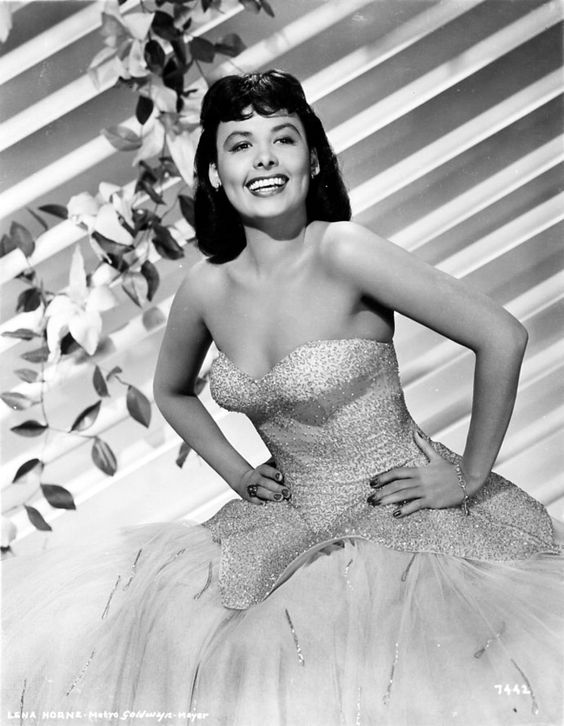
Lena Horne was a talented singer and actress who was blacklisted in Hollywood for her political views and her activism in the civil rights movement. Horne was a vocal advocate for racial equality and was known for refusing to perform for segregated audiences. She was also a member of the NAACP and worked closely with other civil rights activists.
Horne’s blacklisting prevented her from working in Hollywood, but she continued to perform in nightclubs and on stage. She also appeared in several films, including Stormy Weather and Cabin in the Sky, which were groundbreaking for their portrayal of African American performers.
Paul Robeson
Paul Robeson was a talented actor, singer, and activist who was blacklisted in Hollywood for his political views. He was an outspoken advocate for civil rights and equality and was a member of the Communist Party. Robeson’s passport was revoked, preventing him from traveling and performing overseas. He was also denied work in Hollywood and was unable to appear in films for several years. Despite this, Robeson continued to perform and speak out against racism and oppression.
Robeson was eventually able to work again in Europe, but he was never able to fully recover his career in the United States. He continued to face persecution for his political beliefs and was often targeted by the FBI and other government agencies.
Charlie Chaplin
Charlie Chaplin was one of the most influential and iconic figures in the history of classic Hollywood cinema. He was best known for his comedic roles in films such as The Kid, City Lights, and Modern Times. However, in the 1950s, Chaplin’s career took a turn for the worse when he was accused of being a communist sympathizer and subsequently blacklisted by Hollywood.
Charlie Chaplin was known for being politically outspoken, and his views often leaned towards left-wing ideologies. He was a vocal critic of fascism and a supporter of workers’ rights. However, during the Red Scare of the 1950s, Chaplin’s political views were seen as a threat by the anti-communist forces in America. He was accused of being a sympathizer of the Communist Party and was targeted by the FBI.
The FBI had been monitoring Chaplin’s activities since the 1920s and had a file on him that was over 2,000 pages long. In 1947, Chaplin was summoned to testify before the House Un-American Activities Committee (HUAC) about his political affiliations. He denied being a communist but refused to answer further questions, citing his right to free speech and privacy.
Chaplin’s refusal to cooperate with HUAC was seen as an act of defiance, and he was subsequently labeled as a communist sympathizer by the media and Hollywood executives. This led to his blacklisting and eventual exile from the United States.
Burgess Meredith
Burgess Meredith was a versatile actor who appeared in numerous classic films and television shows. However, in the 1950s, he was blacklisted by Hollywood, which severely affected his career. This blog post will delve into the reasons why Meredith was blacklisted and the impact it had on his life and career.
Meredith’s first film role was in 1936, in the movie Winterset. He went on to appear in several films, including Of Mice and Men and The Story of G.I. Joe. He was also active in television, appearing in shows such as “The Twilight Zone” and “Batman.” He was nominated for two Academy Awards for Best Supporting Actor, for The Day of the Locust and Rocky.
Meredith was an outspoken liberal and supported various political causes throughout his life. He was a member of the Hollywood Democratic Committee, which was formed in response to the House Un-American Activities Committee (HUAC) investigations. Meredith’s political views were not uncommon in Hollywood during this time, as many actors and filmmakers were sympathetic to left-wing causes. However, these views would eventually lead to his blacklisting.
His name appeared on the list in 1950, and he was unable to work in Hollywood for several years. Meredith was called to testify before the HUAC in 1951. He had previously spoken out against the committee’s investigations and refused to cooperate with them, which led to his being labeled a “subversive.”
Judy Holliday
Judy Holliday was a talented actress who rose to fame in the 1940s and 1950s, starring in hit films like Born Yesterday and The Solid Gold Cadillac. However, despite her success, Holliday was targeted by the House Un-American Activities Committee (HUAC) and eventually blacklisted in Hollywood.
Judy Holliday was one of many Hollywood figures who fell under suspicion during this time. Despite having no known political affiliations, she was called before the HUAC in 1952. According to her biographer Gary Carey, Holliday was approached by the FBI prior to her HUAC testimony and urged to name names of suspected communists in the industry. She refused, stating that she had no knowledge of any such activities.
During her testimony before the HUAC, Holliday was grilled about her political beliefs and associations. She maintained that she was not a communist and had never been part of any subversive activities. However, her testimony was deemed unsatisfactory by the committee, and she was labeled as “uncooperative” and “evasive.” This put her in a precarious position, as being labeled a communist sympathizer or refusing to cooperate with the HUAC could lead to blacklisting. Despite the pressure, Holliday stood her ground and refused to name names or compromise her principles. However, her defiance would come at a cost. She was unable to find work in Hollywood for several years and was forced to take on stage roles to make ends meet.
Burl Ives
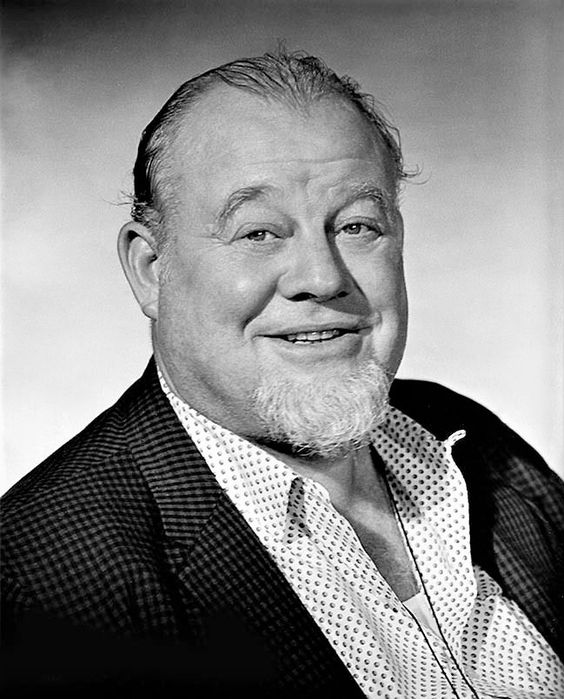
Burl Ives was a popular singer, actor, and folk musician who rose to fame in the 1940s and 1950s. However, his career was interrupted in the 1950s when he was blacklisted by the entertainment industry. In the 1940s, Burl Ives started recording albums and appeared in several films, including Smoky in 1946 and So Dear to My Heart in 1948.
In the early 1950s, Burl Ives was accused of having communist sympathies and being a member of left-wing organizations. These allegations were based on his past involvement with various progressive causes and his support for labor unions and civil rights. In 1952, Burl Ives was subpoenaed by the HUAC to testify about his political affiliations. He initially refused to cooperate, citing his First Amendment rights, but later relented and provided the committee with a list of names of people he had known in left-wing organizations. However, he refused to name anyone who had been involved in illegal activities or to implicate anyone in the entertainment industry.
The blacklisting of Burl Ives had a profound impact on his career and personal life. He was unable to find work in Hollywood and was forced to perform in small venues and clubs. His radio show was canceled, and he became a target of harassment and intimidation by right-wing groups. Burl Ives’ reputation suffered, and he was often shunned by his former colleagues and friends. He was also subjected to government surveillance, which included wiretapping and the monitoring of his mail and phone calls.
In the late 1950s and early 1960s, the entertainment industry began to relax its anti-communist stance, and some blacklisted individuals were able to resume their careers. Burl Ives was one of them, and he was offered several roles in films and television shows. In 1962, Burl Ives won an Academy Award for Best Supporting Actor for his role in The Big Country. This was a major achievement for him and a recognition of his talent and resilience.
Artie Shaw
Artie Shaw was a renowned jazz clarinetist and bandleader in the 1930s and 1940s. He was one of the biggest names in the music industry during that time, with hits such as “Begin the Beguine” and “Frenesi.” However, during the 1940s, Artie Shaw was an active member of the Communist Party. He was a vocal advocate for workers’ rights and was involved in several labor strikes. In 1949, Shaw abruptly left the Communist Party and testified before the House Un-American Activities Committee (HUAC). He named several people who he claimed were Communists or Communist sympathizers. This move made him an outcast in the liberal community, and many of his fans and colleagues turned against him.
Shaw later regretted his decision to testify, and he claimed that he only did it to protect his career and avoid being blacklisted. However, the damage had already been done, and he was shunned by many in the entertainment industry. He was unable to find work in the entertainment industry, and many of his recordings were banned from radio stations. He was also harassed by the FBI and other government agencies, who monitored his activities and tapped his phone.
Shaw was forced to leave the United States and live abroad for several years. He spent time in Europe and Asia, where he continued to perform and record music. However, he was never able to achieve the same level of success that he had in the United States.
Lloyd Bridges
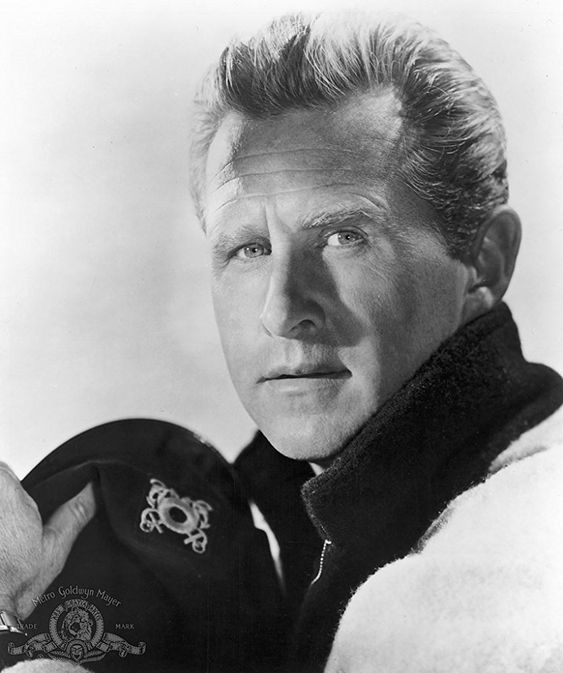
Lloyd Bridges, an American actor, was one of the most prominent actors of the 1940s and 1950s. He starred in numerous films and television shows, but in the 1950s, he was blacklisted. Bridges was among the many individuals accused of being a communist or a sympathizer, and he was called to testify before the House Un-American Activities Committee (HUAC) in 1951.
When Bridges testified before the HUAC in 1951, he denied being a communist or a sympathizer. However, he refused to name anyone who might have been, saying that it would be a violation of his principles and would harm innocent people. This refusal to name names was viewed as hostile by the committee, and Bridges was labeled as uncooperative.
After his testimony, many studios were afraid of being associated with someone who had been labeled as uncooperative by the HUAC. In the late 1950s, the blacklist began to lose its power, and Bridges was able to resurrect his career. Bridges’ big break came in 1958 when he was cast in the television series, “Sea Hunt.” The series was a hit, and Bridges’ portrayal of Mike Nelson, a former Navy diver who becomes a freelance diver, was well received by audiences. The success of “Sea Hunt” led to Bridges being cast in several films, including High Noon, A Walk in the Sun, and The Limping Man.
Anne Revere
Anne Revere was an actress who was blacklisted in Hollywood for her political views. Revere was a member of the Communist Party and was called to testify before the HUAC. She refused to name names and was subsequently blacklisted, preventing her from working in Hollywood for several years.
Revere eventually returned to the screen and appeared in several films, including A Place in the Sun and The Song of Bernadette, for which she won an Academy Award for Best Supporting Actress. She also appeared on television and in theater productions.
The actors and actresses on this list were all victims of the Red Scare and suffered greatly as a result of their political views. Despite facing significant obstacles and persecution, they continued to pursue their careers and make significant contributions to the entertainment industry. Their stories serve as a reminder of the importance of free speech and the dangers of political persecution.