
Hollywood’s Golden Age is celebrated for its glamorous stars, iconic locations, and unforgettable stories. While it’s often associated with musicals and romantic comedies, this era also gave birth to some of the most spine-tingling and enduring horror films in cinematic history. In this article, we will journey back in time to explore the scary movies made during Hollywood’s Golden Age and relive the chills and thrills that continue to haunt audiences to this day.
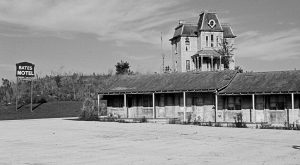
“Psycho” (1960)
Director Alfred Hitchcock’s “Psycho” is a true masterpiece of suspense and psychological horror. The film, released at the end of Hollywood’s Golden Age, remains a timeless classic. The iconic shower scene, accompanied by Bernard Herrmann’s screeching violin score, continues to send shivers down the spines of viewers.

“Dracula” (1931)
Universal Pictures brought Bram Stoker’s legendary vampire to life with Bela Lugosi’s chilling performance as Count Dracula. This film set the standard for vampire horror and established the archetype for future vampire portrayals in cinema.

“Frankenstein” (1931)
Another Universal Pictures classic, “Frankenstein,” introduced Boris Karloff as the iconic Frankenstein’s Monster. The film explored the dark themes of science and creation, leaving a lasting imprint on horror cinema. “Frankenstein” directed by James Whale brought Mary Shelley’s classic novel to life on the silver screen. Boris Karloff’s portrayal of the Monster is legendary, with his haunting makeup becoming an enduring icon of horror. The film explores the consequences of scientific ambition and the themes of creation, identity, and society’s rejection of the Other. “Frankenstein” not only established Universal Pictures as a powerhouse in the horror genre during Hollywood’s Golden Age but also laid the foundation for countless adaptations and reimaginings of the tale of the mad scientist and his monstrous creation.

“The Bride of Frankenstein” (1935)
A sequel to “Frankenstein,” “The Bride of Frankenstein” continued the monster’s story and introduced the equally memorable character of the Bride. Directed by James Whale, is a timeless classic that serves as both a sequel and a standalone masterpiece. This film continues the story of the iconic Monster, played by Boris Karloff, and introduces Elsa Lanchester as the Bride. It is known for its striking visuals, Gothic atmosphere, and unforgettable characters. “The Bride of Frankenstein” explores themes of loneliness, acceptance, and the consequences of meddling with the laws of nature. With its eerie elegance and iconic imagery, the film remains a testament to Hollywood’s Golden Age of horror cinema.

“The Invisible Man” (1933)
“The Invisible Man” (1933) is a classic horror film based on H.G. Wells’ novel and directed by James Whale. Claude Rains delivers a remarkable performance as the scientist who becomes invisible, despite his unseen presence on-screen. The film’s groundbreaking special effects and suspenseful storyline make it a cornerstone of the sci-fi and horror genres during Hollywood’s Golden Age. It explores themes of power, madness, and the consequences of unchecked ambition, leaving audiences captivated by the mysteries of the invisible man’s journey.

“King Kong” (1933)
While “King Kong” is often considered an adventure film, it includes elements of horror as the colossal ape wreaks havoc in New York City. The film’s groundbreaking special effects made it a cinematic milestone. It was the first significant feature film to star an animated character and also made actress Fay Wray a star.

“The Wolf Man” (1941)
“The Wolf Man” (1941), a Universal Pictures classic, is a cornerstone of the werewolf horror genre. Starring Lon Chaney Jr. as the unfortunate Larry Talbot, who succumbs to the curse of lycanthropy, the film established many of the enduring rules and characteristics of werewolves in modern cinema. Lon Chaney Jr.’s portrayal of the tormented protagonist remains iconic, and the movie is celebrated for its moonlit terror, atmospheric direction, and the enduring appeal of the tragic werewolf legend.

“Nosferatu” (1922)
Before Bela Lugosi’s Dracula, there was Max Schreck as Count Orlok in “Nosferatu.” This silent German Expressionist film, an unauthorized adaptation of Bram Stoker’s novel, remains one of the most iconic vampire movies in history.
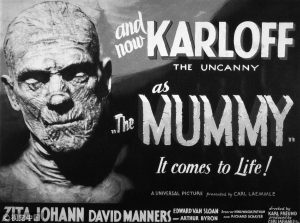
“The Mummy” (1932)
Another Universal Pictures classic, “The Mummy,” starred Boris Karloff as the ancient Egyptian priest Imhotep. The film explored themes of resurrection and the supernatural, setting a template for future mummy-themed horror movies.

“The Cabinet of Dr. Caligari” (1920)
This German Expressionist masterpiece directed by Robert Wiene is often considered one of the earliest horror films. Its unique visual style, characterized by distorted, angular sets and stark lighting, created an atmosphere of psychological horror that still influences filmmakers today.
Hollywood’s Golden Age was not just about glitz and glamour; it also gave birth to some of the most enduring horror classics in cinematic history. These films, known for their iconic characters, groundbreaking effects, and unforgettable scares, continue to captivate and terrify audiences to this day.
From Alfred Hitchcock’s suspenseful “Psycho” to Universal Pictures’ monster classics like “Dracula” and “Frankenstein,” the scary movies of Hollywood’s Golden Age laid the foundation for the horror genre as we know it. These films remain a testament to the enduring power of storytelling and the ability of cinema to evoke spine-tingling chills and thrills.
As you dive into the dark, mysterious world of these films, prepare for a journey through the shadows of Hollywood’s past, where the fear and fascination of the unknown collide, leaving an indelible mark on the history of cinema.