The 1950s gave rise to a new era of music – one that was more romantic and nostalgic than ever before. This era, commonly known as the “crooning craze,” saw the emergence of a new style of singing that would become iconic in the decades to follow. Though many legendary crooners emerged during that era, including Frank Sinatra and Nat King Cole, one name stands out as the leader of the pack and favorite among bobby soxers: Perry Como.
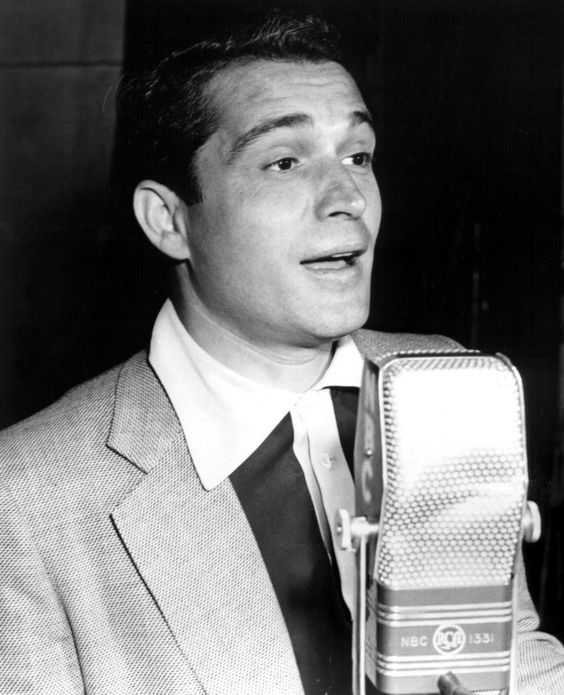
Known for his smooth baritone voice and unassuming charm, Perry Como was the ultimate crooner. His romantic ballads, lighthearted ditties, and easygoing style made him a beloved figure in the music industry. Como remained a mainstay in the American music scene from the 1940s to the 1970s.
Born in 1912, Como moved from Pennsylvania to New York City in 1933 to pursue a career as a singer. He started out as a barbershop quartet singer, eventually joining the Ted Weems Orchestra in 1936. It was during his time with Weems that Como released his first hit single, “Temptation,” in 1945. In 1948, Como signed a contract with RCA Victor Records, and his career took off. His first single with RCA Victor, “A Dreamer’s Holiday,” reached the top 10 of the Billboard charts. This was followed by a string of hits, including “Prisoner of Love,” “If,” “Catch a Falling Star,” and many more.
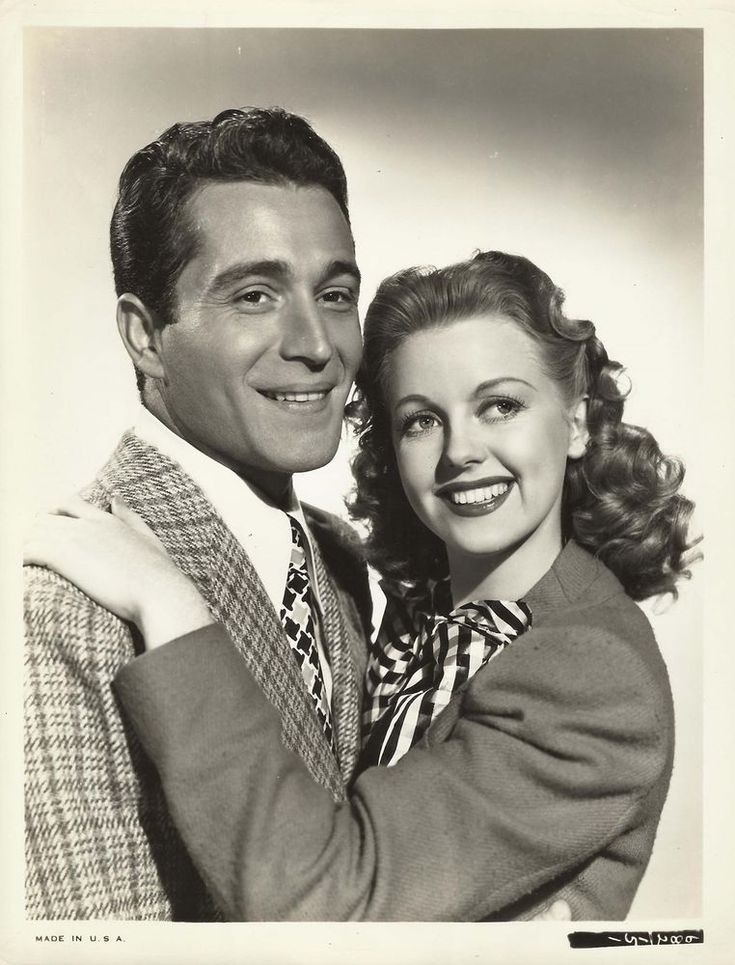
The crooning style coincided with the emergence of radio, which allowed people to listen to music from the comfort of their own homes. This new medium of music was embraced by many, but none more than bobby soxers. The bobby soxer craze was a phenomenon that swept through America in the 1950s. It was a time when teenage girls across the country were embracing a new style of dress and music that was heavily influenced by the popular crooners of the day. Young women, with their hair ponytails and wearing little white socks, danced and sang along to the music on the radio. This marked the first time that teenagers had the power to make their favorite singers stars. Such was the case with Perry Como.
In 1948, Perry Como took his radio fame to a whole new audience when he began hosting his own television show. The Perry Como Show ran for 15 years and featured a mix of sketches, musical performances, and guest stars. Perry Como was the first artist to have his own televised variety show, setting the stage for the slew of variety shows that would come.
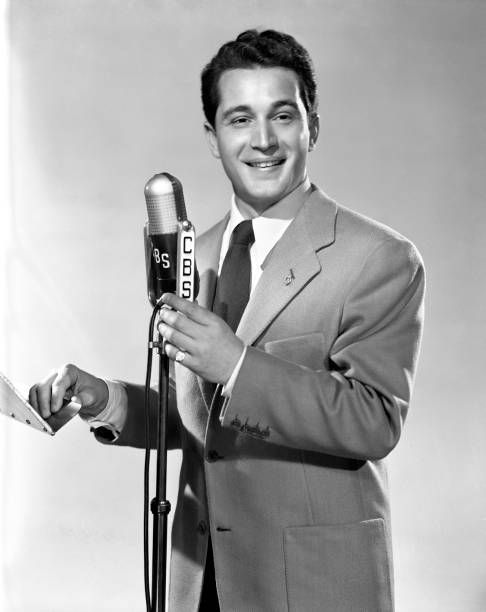
Como also made frequent appearances on other television programs. He hosted The Kraft Music Hall from 1955-1959 and The Perry Como Christmas Special from 1957-1969. He was a regular guest on The Ed Sullivan Show and made a few appearances on The Tonight Show. In the 1970s, Como began to slow down his career, though he still made occasional appearances on television. He was inducted into the Grammy Hall of Fame in 1984 and received a lifetime achievement award from the Academy of Country Music in 1989. He continued to perform until his retirement in 1994.
Perry Como died in 2001 at the age of 88. His legacy as one of the best-known crooners of the 1950s bobby soxers era lives on. His smooth baritone voice, easygoing style, and unassuming charm made him an idol among 1950s teen girls. Led by Perry Como, the crooning craze had a profound impact on the music industry and popular culture. Not only did it create a new style of singing, but it also gave rise to a new genre of music that featured singers like Bing Crosby, Nat King Cole, and Frank Sinatra in the 1950s all the way to Michael Buble, Norah Jones, and Adele.