For some, Disney’s Song of the South is a classic live-action/animation hybrid film with an Academy Award-winning song. For others, it’s a racist relic of a bygone era. This 1946 film has long been controversial, and for good reason. Let’s see why Song of the South was so controversial when it was released and why it remains so today.
Song of the South combined live-action and cartoon animation into a film with a simple story. Set in the Reconstruction-era South, the film tells the story of a young boy named Johnny, played by Bobby Driscoll, and his wise friend Uncle Remus, played by James Baskett, a former slave who tells folk tales about Br’er Rabbit and other characters. The film was a box office success and quite popular when it was released. The film’s tune, “Zip-a-Dee-Doo-Dah,” won an Academy Award for Best Original Song.
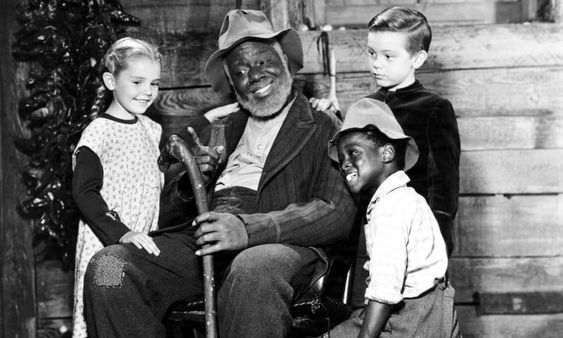
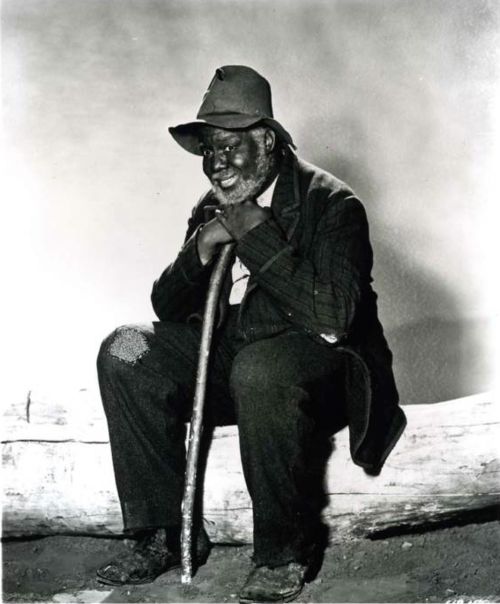
However, the Song of the South has been widely criticized for its portrayal of African Americans. While the film presents Uncle Remus as a wise, kind-hearted character, it also portrays him in a subservient manner, as a servant of the white family, speaking in a dialect, and wearing ragged clothes. This character perpetuates the backward myth that African Americans were happy and content as slaves, a sentiment that was commonplace in the South before and after the Civil War. Uncle Remus’s stories also feature racist stereotypes of African Americans.
Disney Studios has faced backlash about Song of the South since its release in 1946. African American leaders and activists criticized the film for its stereotypical portrayal of African Americans and its romanticized view of the pre-Civil War South that neglects to address the realities of slavery and the true plight of enslaved people in the Deep South.
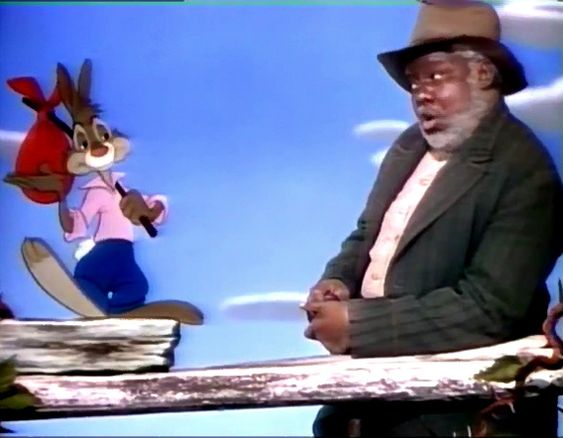
The film was based on Joel Chandler Harris’s Uncle Remus stories. According to reports, Walt Disney had wanted to adapt Harris’s tales into a feature film for several years before he finally acquired the rights to do so. When faced with backlash over the Song of the South, Disney Studio responded by pointing out that the film stayed true to Harris’s book, that the setting of the film was after the end of the Civil War, and that none of the characters in Song of the South are slaves, although some are former slaves.
In the years since the film’s release, the controversy has not abated. Disney has never released the Song of the South on video or DVD in the United States, and it is not available for streaming or on home video. Despite its popularity, the film has remained controversial, and Disney has refused to make it available for public consumption.
It is important to note that Song of the South is not the only Disney film to come under fire for its depiction of race and its handling of racial stereotypes. Other Disney films, such as The Jungle Book and Aladdin, have been criticized for their stereotypical portrayals of African Americans and other minority groups. Disney has acknowledged the issues with these films and has taken steps to address them, including editing out certain scenes and changing dialogue.
The controversy surrounding Song of the South is an important reminder that racism is still an issue in our society. Hollywood studios – during the Golden Age of Hollywood and today – have a responsibility to be mindful of the way different races and cultures are portrayed in the media. Rather than reinforcing racially offensive stereotypes and making light of important racial issues, Hollywood films can help solve the racism issue by ensuring that all people are treated with respect and dignity.