The movie Sunset Boulevard is a film noir that was directed by Billy Wilder and released in 1950. The movie was produced by Paramount Pictures, and it was one of the studio’s most successful films of the decade. At the time, color movies were the standard, yet Wilder opted to shoot the film in black and white to showcase the dark theme and foreboding nature of the story. It worked. As a prime example of film noir, Sunset Boulevard is often cited as one of the greatest films ever made.
The plot of Sunset Boulevard revolves around the life of Joe Gillis, a struggling screenwriter who becomes involved in the life of a former silent film star named Norma Desmond. Norma is a reclusive woman trying to cope with the end of her career, and Joe becomes her companion and collaborator in a desperate attempt to make a comeback.
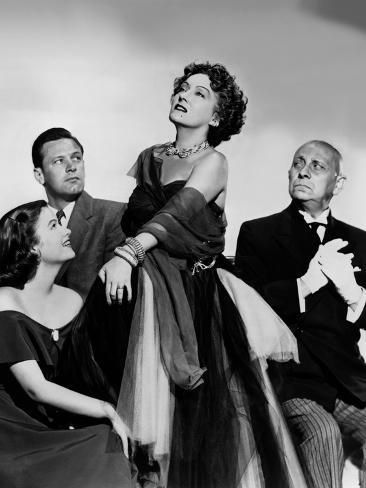
The film stars William Holden as Joe Gillis. Holden was a popular actor of the time, and he was known for his performances in films such as Stalag 17 and The Bridge on the River Kwai.
Gloria Swanson plays Norma Desmond. Although Swanson was a well-known actress of the silent era who had not appeared in a major film in over a decade when she accepted the role in Sunset Boulevard. Like her character in the film, Swanson was staging a comeback and trying to revamp her Hollywood career.
Sunset Boulevard also starred Erich von Stroheim as Max von Mayerling, Norma’s butler and former director. Stroheim was a legendary filmmaker of the silent era, and his appearance in Sunset Boulevard was a nod to his own career in Hollywood.
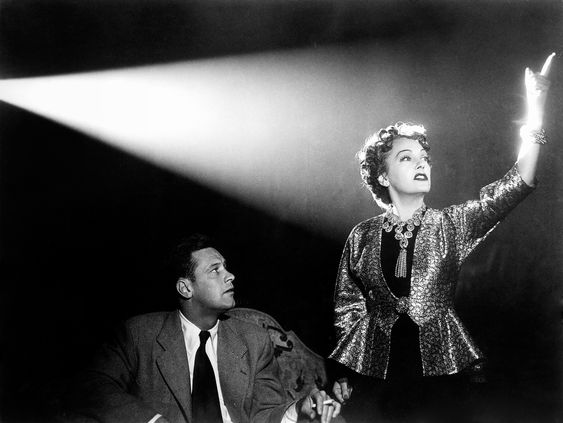
The movie features a haunting score by composer Franz Waxman, which was nominated for an Academy Award. The score is known for its use of a theremin, an electronic musical instrument that was popular in science fiction films of the time.
Sunset Boulevard also features the song “The Paramount Don’t Want Me Blues,” which was written by Jay Livingston and Ray Evans. The song was performed by the character Artie Green, played by Jack Webb. The movie also includes several pieces of classical music, including selections from the operas “Salome” and “Tristan und Isolde.”
Upon its release, Sunset Boulevard was a critical and commercial success, and grossed over $5 million in its initial release. It currently holds a 98% rating on Rotten Tomatoes. Sunset Boulevard was nominated for 11 Academy Awards, including Best Picture, Best Director, and Best Actor for William Holden. It took home the Oscar in three of these categories, for Best Writing, Best Art Direction, and Best Music.
The movie was shot on location in Hollywood, with many of the scenes filmed at actual Hollywood landmarks such as the Sunset Boulevard and the Paramount Pictures lot.
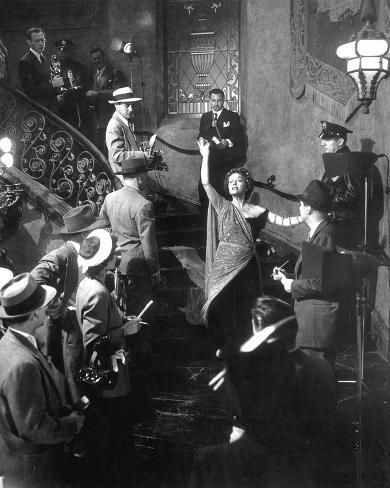
As a film noir, Sunset Boulevard explores several themes, including the nature of fame, the price of success, and the dangers of obsession. The character of Norma Desmond represents the dark side of Hollywood, and her obsession with making a comeback is a commentary on the fleeting nature of fame. The film also explores the relationship between men and women in Hollywood, and the power dynamics that exist in the industry. The film’s ending is a powerful commentary on the nature of Hollywood and the price of success, with the final shot of Norma Desmond descending the staircase representing her descent into madness.
These themes and the film’s dark and twisted concepts combine to make Sunset Boulevard a timeless classic that continues to resonate with audiences today. The film is a masterpiece of storytelling, with its desperate and longing plot drawing the viewer in and refusing to let go. Billy Wilder took great care to perfect the performances, music, and cinematography to elevate the power of cinema during the Golden Age of Hollywood.