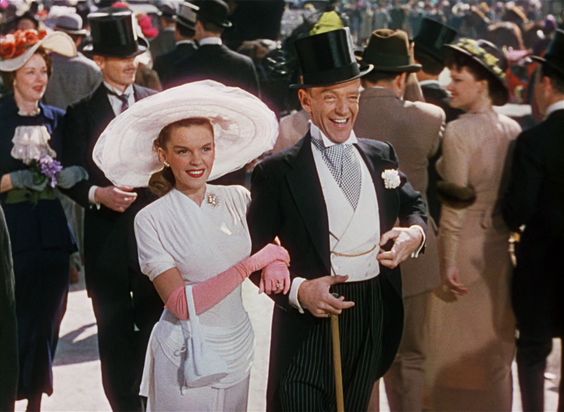
In 1948, Easter Parade was a box office sensation. The film grossed over $5 million, making it the highest-grossing movie of the year. But why was Easter Parade such a hit? Among the factors that made the film a blockbuster success were its all-star cast and its memorable musical score.
Easter Parade tells the story of a Broadway star, Don Hewes, played by Fred Astaire, who is heartbroken when his long-time dancing partner, Nadine Hale, played by Ann Miller, decides to retire. Don sets out to find a new partner, and he finds her in Hannah Brown, a naive yet talented dancer played by Judy Garland. Don and Hannah become a successful pair, but their journey to the top is filled with ups and downs. The film’s expertly crafted story, complex characters, and inspiring messages about resilience and perseverance resonated with viewers and kept them coming back for more.
The film’s story was also ahead of its time. In an era when most movies focused on romance, Easter Parade focused on the challenges of career success. This was a refreshing change of pace for viewers, and it showed that the filmmakers were willing to take risks with their storytelling.
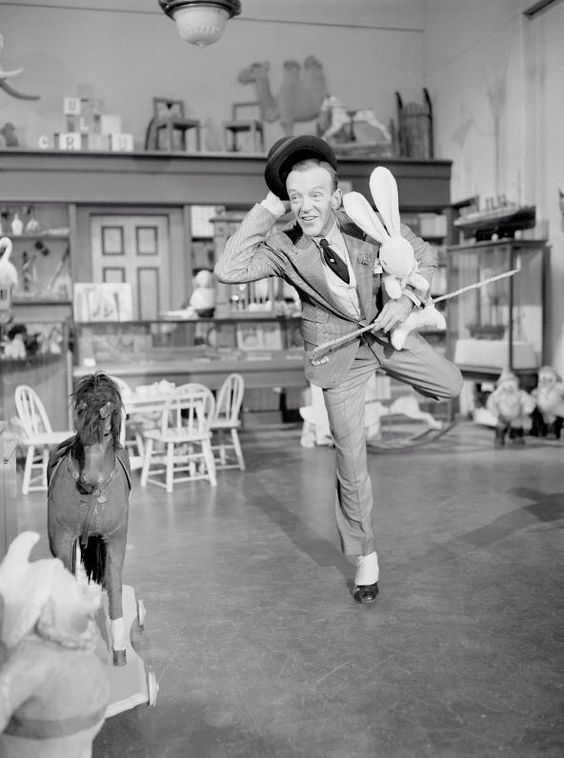
Easter Parade boasted a star-studded cast that included Fred Astaire, Judy Garland, and Ann Miller. This was a major draw for viewers, as the trio had already established themselves as some of the biggest stars in Hollywood. The chemistry between the three stars was electric, and they gave the film a sense of energy and excitement that was hard to resist.
The cast also featured a number of other talented actors, including Peter Lawford, Jules Munshin, and Richard Beavers. All of these actors brought something unique to the film and helped to make it even more enjoyable.
The music of Easter Parade was one of the key factors in its success. The film featured a number of memorable tunes, including “Steppin’ Out With My Baby,” “It Only Happens When I Dance With You,” and “A Fella With an Umbrella.” These songs were incredibly catchy, and they helped to make the film an audience favorite.
The music also enhanced the film’s storyline. The songs were often used to express the characters’ emotions and to emphasize key moments in the story. This added an extra layer of depth to the film and its characters.
The success of Easter Parade was also due in part to the aggressive marketing campaign that the studio conducted. The studio used a variety of tactics to promote the film, including radio and television ads, newspaper and magazine ads, and posters. These ads were effective in getting the word out about the film and in enticing people to see it.
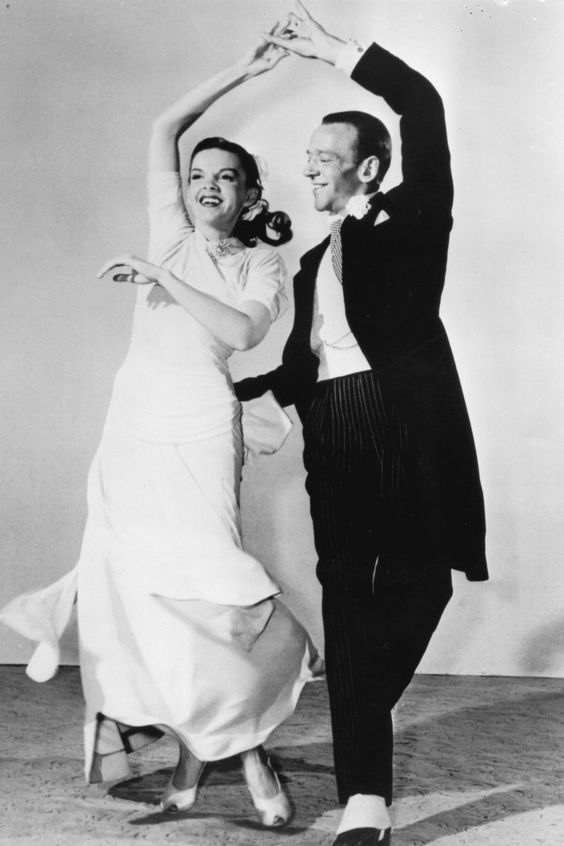
The studio also held a number of special events to promote the film. These events included special screenings, behind-the-scenes tours, and interviews with the cast and crew. These activities created a buzz around the film and stirred up interest among moviegoers.
Easter Parade was an Academy Award-nominated film, earning three nominations for the 21st Academy Awards. It was nominated for Best Actor in a Leading Role (Fred Astaire), Best Actress in a Leading Role (Judy Garland), and Best Music, Scoring of a Musical Picture (Johnny Green, Roger Edens, and Lennie Hayton). Unfortunately, the film did not win any Oscars that year. The 1948 Oscar ceremony featured some of the most celebrated films of all time, including The Red Shoes, Johnny Belinda, Hamlet, and The Snake Pit.
Although it failed to bring home an Oscar, Easter Parade was the biggest commercial success of 1948 for many reasons, including its expertly crafted story, star-studded cast, memorable music, and great marketing. All of these factors combined to make the film a fan favorite and one of the most memorable musical movies of the Golden Age of Hollywood.